
Hill Street Blues changed television drama forever — and much of that creative revolution began with Steven Bochco.
Writer, producer and creative innovator, Bochco helped reshape the structure of television drama during the 1980s. Alongside writer and producer Michael Kozoll, he created a series that broke away from the conventions of traditional police procedurals and introduced a more layered, emotional and serialised style of storytelling.
The success of Hill Street Blues transformed Steven Bochco into one of the most influential television producers of his generation and paved the way for later landmark series including LA Law and NYPD Blue.
Steven Bochco At A Glance
- Born: 16 December 1943
- Died: April 2018
- Known for: Hill Street Blues, LA Law, NYPD Blue, Murder One.
- Profession: Writer and producer
- Key collaborator: Michael Kozoll
The Early Years
The concept of Hill Street Blues sprang from the fertile imagination of Steven Bochco, although many believe the series may never have become the phenomenon it was without the contribution of writer-producer Michael Kozoll. The programme arrived on television screens in January 1981 and ran for more than six years, finally concluding in 1987. By then, Bochco had become one of the biggest creative names in American television.
Born Steven Ronald Bochco in Manhattan on 16 December 1943, he came from a deeply creative family. His father Rudolph, a Russian immigrant, was a concert violinist, while his mother Mimi — who emigrated from Lithuania at the age of fourteen — was described by Steven himself as “an artist, designer and hustler.”
He had an elder sister, Joanna Frank, who would later appear in LA Law as Sheila Brackman, the long-suffering wife of Douglas Brackman. In reality Joanna had been married to actor Alan Rachins since 1978.
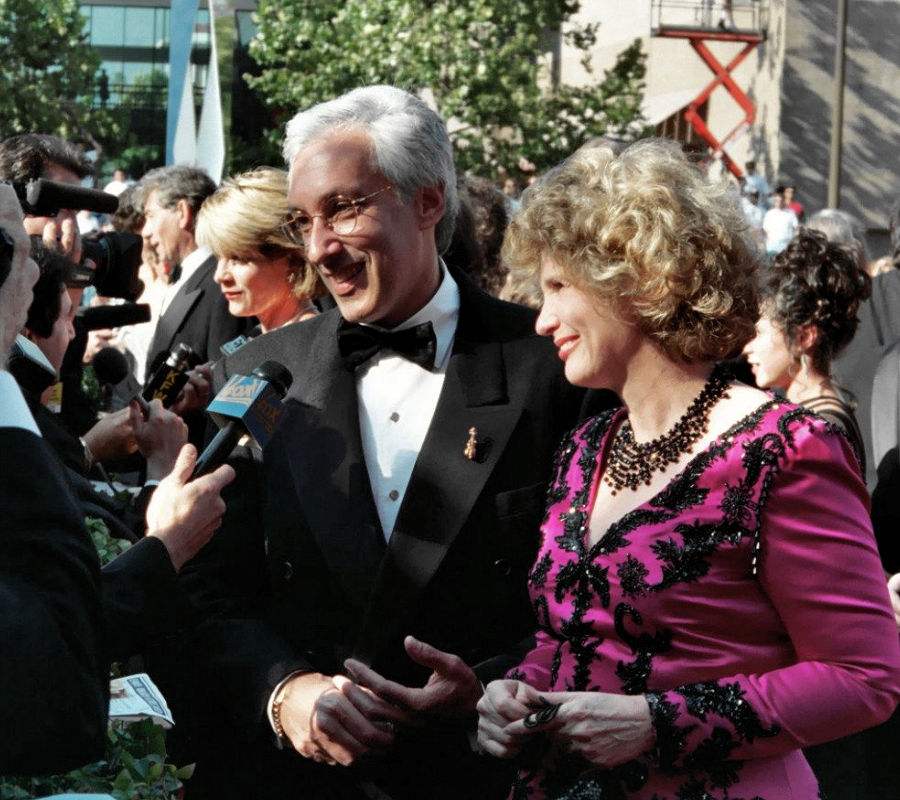

Steven trained as a playwright at Carnegie Tech, where he first crossed paths with future Hill Street Blues performers Barbara Bosson, Bruce Weitz and Charles Haid. During this period he also became friends with Michael Tucker, who would later guest star in Hill Street Blues before becoming one of the stars of LA Law.
After graduating in 1966, Bochco and Michael Tucker drove to Los Angeles in search of work. Early opportunities proved difficult to find, but Bochco eventually secured a breakthrough co-writing the film The Counterfeit Killer (1968). During production he met Abby Singer, who would later become Head of Production on Hill Street Blues.
“The show began to dictate what it needed to be. Probably the smartest thing Michael Kozoll and I did was to let it take us there instead of trying to force it back into a conventional box.”Steven Bochco
Building Hill Street Blues
Bochco married Barbara Bosson in 1970 and the couple had two children before divorcing in 1997. During the 1970s he steadily climbed through the television industry, joining Universal Studios as an assistant story editor and gradually building experience across numerous productions.
By 1976 he had moved beyond writing into producing. One of his first major police dramas was Delvecchio, starring Judd Hirsch. The series already featured several faces and creative influences that would later become associated with Hill Street Blues, including Charles Haid, Michael Conrad and Michael Kozoll.
While working at MTM Enterprises, NBC president Fred Silverman challenged the company to develop a more modern form of crime drama, inspired partly by the 1981 film Fort Apache, The Bronx. Bochco and Kozoll responded by creating Hill Street Blues, despite later admitting they were both “sick to the back teeth” of traditional police productions.
“We wanted confusion. We wanted overlap. We wanted stories that didn’t neatly resolve themselves in forty-eight minutes.”Steven Bochco on reinventing television drama
Reinventing Television Drama
What emerged from the collaboration between Bochco and Michael Kozoll was unlike anything network television audiences had previously experienced. Instead of focusing on a single lead character and a neatly resolved crime story, Hill Street Blues introduced overlapping storylines, ensemble casts, moral ambiguity and an almost documentary-like sense of realism.
Characters talked over one another. Stories sometimes ended unresolved. Officers made mistakes, behaved emotionally and carried personal problems into the workplace. The chaotic atmosphere of the precinct itself became one of the programme’s defining characters.
NBC executives were initially uncertain what to make of the series. The programme was considered unusually dark, complex and risky for mainstream American television in the early 1980s. Ratings during the first season were respectable rather than spectacular, yet critics immediately recognised that something revolutionary had appeared on television.
The series rapidly became one of the most critically acclaimed dramas ever produced. It collected Emmy Awards, industry recognition and a devoted audience that appreciated its intelligence and emotional depth. More importantly, it permanently altered expectations of what television drama could achieve.
Bochco himself later admitted that the success of Hill Street Blues surprised almost everyone involved. Rather than following accepted television formulas, the writers gradually learned to trust the programme’s unusual structure and emotional honesty.
Many techniques now considered standard television storytelling — serialisation, ensemble narratives, morally conflicted protagonists and overlapping dialogue — became widely accepted partly because of the risks taken by Bochco and Kozoll during the creation of Hill Street Blues.
Beyond Hill Street
The success of Hill Street Blues transformed Steven Bochco into one of the most powerful creative figures in American television. Networks that had once doubted the programme’s unusual style now wanted more productions carrying his name.
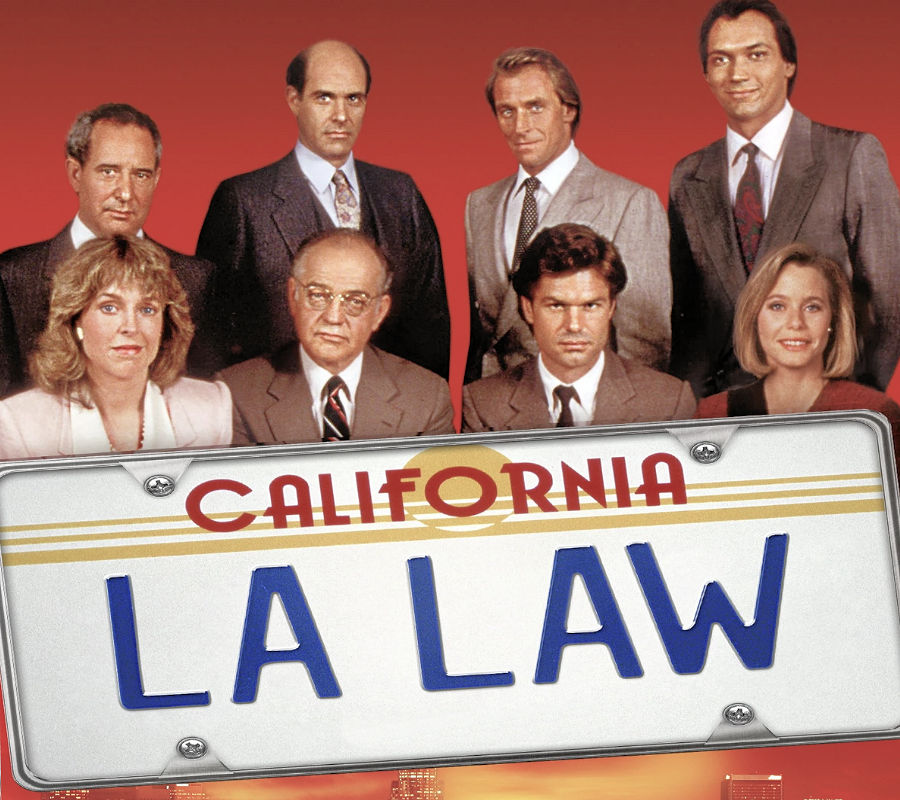
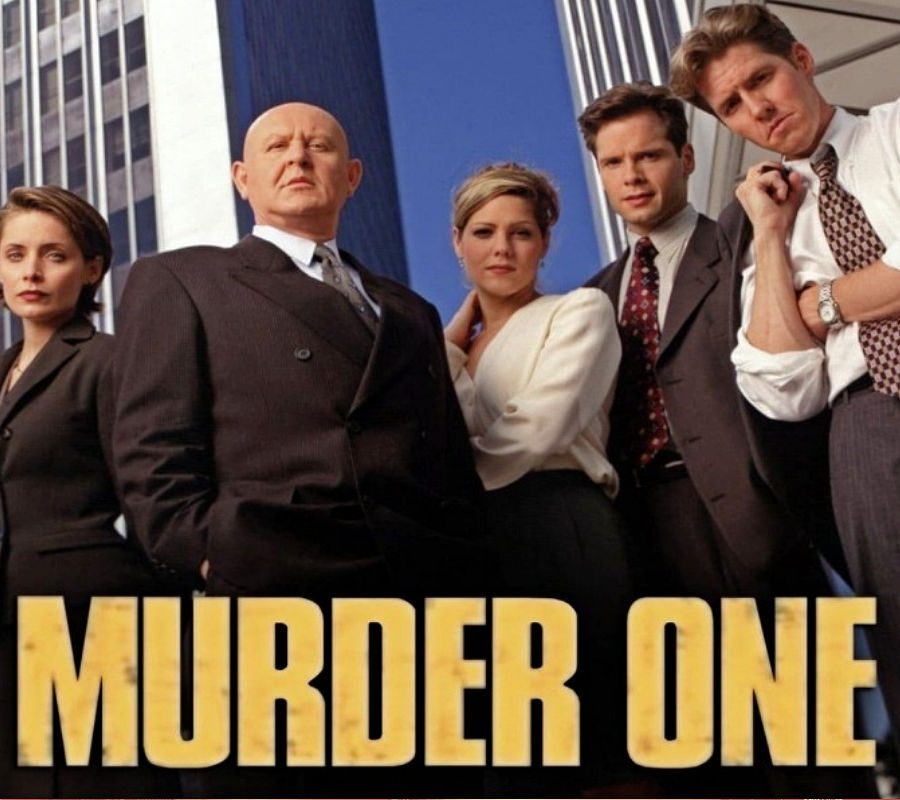
During the years that followed, Bochco helped create a remarkable succession of influential series includingLA Law, Doogie Howser, M.D. and Murder One and later NYPD Blue. Each programme explored different themes and tones, yet all carried traces of the storytelling style first refined during Hill Street Blues.
Not every experiment succeeded. The ambitious musical police drama Cop Rock became one of the most controversial series of its era and is still remembered today as either brilliantly daring or completely misguided — depending entirely on who you ask. Yet even Bochco’s failures were usually more interesting than many producers’ successes.
“Television should surprise people. If you already know exactly what you’re going to get, then why bother watching?”Steven Bochco
By the early 1990s, Bochco once again changed television drama with NYPD Blue. The series pushed network standards further than many executives believed possible, introducing stronger language, more realistic violence and a level of emotional complexity that would influence police drama for decades.
As always, Bochco remained determined to challenge convention rather than simply repeat previous successes. Throughout his career he consistently resisted the idea that television drama should become predictable, safe or formulaic.
Looking back today, it is difficult to imagine modern television drama without the influence of Steven Bochco. Many of the techniques now common in prestige television — morally flawed characters, long-form storytelling, overlapping dialogue and emotional realism — can be traced directly back to the risks taken during the creation of Hill Street Blues.
Legacy
Steven Bochco never seemed particularly interested in repeating himself. Even after the extraordinary success of Hill Street Blues, he continued experimenting with tone, structure and storytelling in ways many television producers would have considered commercially dangerous.
Some later productions proved divisive, while others perhaps arrived before audiences were fully ready for them. Looking back now, series such as Murder One feel remarkably modern in their use of season-long storytelling and layered character development — techniques that would later become standard throughout prestige television drama.
Likewise LA Law, while less revolutionary than Hill Street Blues, demonstrated Bochco’s remarkable ability to combine intelligent writing, humour, politics and human drama within a mainstream television format. At their best, his productions trusted audiences to pay attention, think carefully and emotionally invest in complicated characters.
“Bochco helped teach television how to grow up.”Television critics reflecting on his influence
Steven Bochco died in April 2018 after battling cancer, but his influence remains deeply woven into modern television drama. Programmes built around flawed characters, serialized storytelling, moral ambiguity and emotional realism all owe something to the risks taken by Bochco and his collaborators during the early 1980s.
For viewers discovering Hill Street Blues today, the series can still feel surprisingly modern — a remarkable achievement for a programme first broadcast more than four decades ago. That enduring quality may ultimately be Steven Bochco’s greatest legacy.